Chat with us, powered by LiveChat

Call or Text 561.806.8026 for a free estimate today.

Best Lighting for Palm Trees in South Florida

Best Lighting for Palm Trees in South Florida

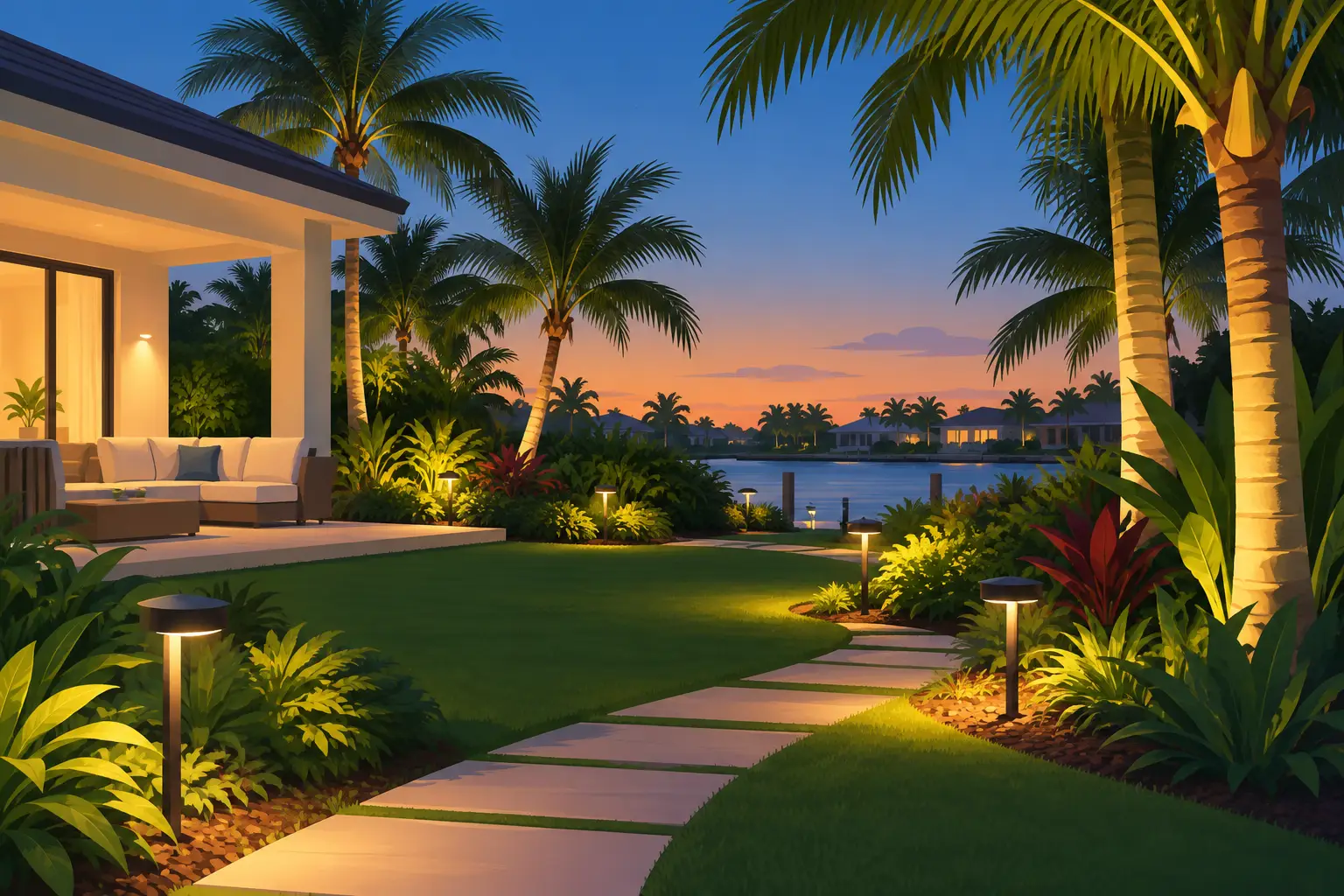
A mature palm should not disappear after sunset. Its height, textured trunk, and sculptural canopy can become one of the strongest features in a nighttime landscape – provided the lighting is designed for the palm itself, not simply aimed in its direction. The best lighting for palm trees balances drama with restraint, giving the tree presence without creating glare, harsh shadows, or a washed-out look.

For Palm Beach County homes, palms often sit near pools, patios, entry drives, and outdoor entertaining areas. That makes their lighting part of a larger environment. A well-lit palm should feel connected to the architecture, pathways, planting beds, and gathering spaces around it.

Best Lighting for Palm Trees Starts From the Ground Up

For most palms, uplighting is the right foundation. A professionally selected low-voltage LED uplight placed at the base of the tree sends light upward through the trunk and into the fronds. This reveals the palm’s vertical form and creates the signature tropical silhouette homeowners want to see from the street, pool deck, or patio.

The fixture itself matters. Quality brass or copper fixtures are well suited to South Florida conditions because they hold up better against moisture, irrigation, heat, and coastal air than lightweight materials. Low-voltage LED systems also use far less energy than older halogen setups, generate less heat around planting beds, and reduce the need for frequent bulb replacement.

The goal is not necessarily to make every frond equally bright. Good palm lighting usually lets some of the canopy fade gently into the evening sky. That contrast creates depth and keeps the tree from looking flat or overlit.

Match the Beam Angle to the Palm

Beam angle is one of the details that separates a polished result from a bright but awkward one. A narrow beam concentrates light higher on the trunk and canopy, while a wider beam spreads illumination across a broader area. Neither is automatically better.

A tall royal palm with a high canopy often benefits from a narrower beam that can reach the fronds without spilling excessive light onto nearby walls or windows. A shorter, fuller areca palm or pygmy date palm may look better with a wider beam that picks up multiple trunks and lower foliage. Cluster palms frequently need more than one fixture, since a single light can leave the center dense and dark.

Fixture placement matters just as much. Setting a light too close to the trunk can create a hot spot at the base and throw severe shadows into the crown. Moving it slightly away, usually within the planting bed, allows the beam to climb the trunk more naturally. The exact distance depends on the tree’s height, canopy shape, and surrounding landscape, which is why on-site aiming after dark is so valuable.

Tall Palms Need More Reach, Not More Glare

It is tempting to use the brightest available fixture for a tall palm. In practice, too much output often creates glare for anyone walking up the drive, sitting by the pool, or looking out from inside the home. A better approach is to use a fixture with the right optics and output for the required height, then aim and shield it carefully.

For exceptionally tall specimen palms, two modestly powered uplights from different positions can produce a more dimensional result than one intense fixture. The cross-lighting softens trunk shadows and gives the canopy a fuller appearance. It also provides some visual continuity if one viewing angle is especially important, such as the approach to a front entry.

Choose a Warm Color Temperature

Warm white light is generally the most flattering choice for palms and South Florida landscaping. Around 2700K creates a rich, inviting glow that complements natural trunk colors, green foliage, stucco, stone, and warm exterior finishes. A slightly crisper 3000K can work well on contemporary homes or where the existing architectural lighting has a cleaner white appearance.

Cooler blue-white lighting can make fronds look gray, flatten warm materials, and create a more commercial feel. It may have a place in a highly modern design, but it should be selected deliberately rather than assumed to be brighter or better. Color temperature should also remain consistent across the property. A warm palm beside a cool-white walkway or façade can make the entire lighting plan feel disconnected.

Color-changing fixtures are sometimes appropriate for special occasions, hospitality settings, or a clearly intentional entertainment area. For everyday use, however, a warm white setting tends to deliver the most timeless and refined result. The palm should look beautiful on an ordinary Tuesday night, not only during a holiday gathering.

Light the Trunk and Canopy, Not the Neighbor’s Window

A palm’s location affects every design decision. A specimen palm in an open lawn has room for a broad wash of light. A palm planted beside a boundary wall, bedroom window, or neighboring property needs tighter control. Shielded fixtures, proper aiming, and thoughtful beam selection keep light where it belongs.

This is especially relevant near pools and patios. Fixtures should enhance the view without shining into seated guests’ eyes or reflecting harshly off water. When palms frame a pool, the best result often comes from softer, carefully aimed uplighting combined with subtle path and patio lighting. The water, tree canopy, and outdoor living area then read as one comfortable setting rather than competing bright zones.

Avoid placing fixtures where lawn equipment, foot traffic, or seasonal landscaping work can easily disturb them. In planting beds, fixtures should be installed securely and positioned with future plant growth in mind. A palm may remain visible while nearby shrubs mature enough to block its light within a season or two.

Use Palm Lighting as Part of a Complete Nighttime Plan

A palm can be a focal point, but it should not be the only illuminated feature in the yard. When every fixture is aimed upward at a tree, the property can feel spotty and visually top-heavy. Layering creates balance.

A complete plan might pair palm uplighting with gentle path lighting for safe movement, downlighting or patio lighting for outdoor use, and selective lighting on architectural details or specimen plantings. The eye then moves naturally from the home to the landscape and into the outdoor living areas. This also improves practical visibility at entries, steps, gates, and transitions between spaces.

For front-yard palms, consider the approach from the street as well as the view from the front door. For backyard palms, prioritize the perspectives homeowners use most: the pool lounge, covered patio, outdoor kitchen, or interior rooms that look out over the garden. Personalized design begins with understanding where the property is experienced after dark.

Common Palm Lighting Mistakes

The most common problem is overlighting. More fixtures or higher wattage do not automatically make a landscape more luxurious. Excess brightness can erase texture, create glare, and draw attention away from the home itself.

Another issue is using one fixture type for every palm. A compact palm grouping, a tall coconut palm, and a multi-trunk date palm each distribute foliage differently. They need different beam spreads, output levels, and sometimes different fixture locations.

Finally, do not overlook maintenance and system quality. Palm roots, irrigation, mulch movement, and routine landscape care can affect fixture alignment over time. A professionally installed low-voltage system with accessible connections, quality components, and reliable support is easier to adjust and maintain than a collection of temporary solar lights or mismatched fixtures.

When Professional Design Makes the Difference

Palm lighting looks simple from a distance, but the details are visible every evening. The right fixture must reach the canopy without glare. Wiring must be safely routed and sized for reliable performance. Fixtures should be placed to accommodate irrigation, planting growth, pool areas, and the way people move around the property.

At Tropical Landscape Lighting, the design process considers the palms as part of the full property rather than isolated objects. This creates a more cohesive result: an entry that feels welcoming, a pool area that remains comfortable after dark, and landscaping that adds depth without excessive energy use.

The best palm lighting does more than make a tree visible. It gives the property a sense of arrival, extends the enjoyment of outdoor spaces, and lets the landscape keep working long after the South Florida sun goes down.

Posted in Uncategorized

Outdoor Pathway Lighting Safety for South Florida

Outdoor Pathway Lighting Safety for South Florida

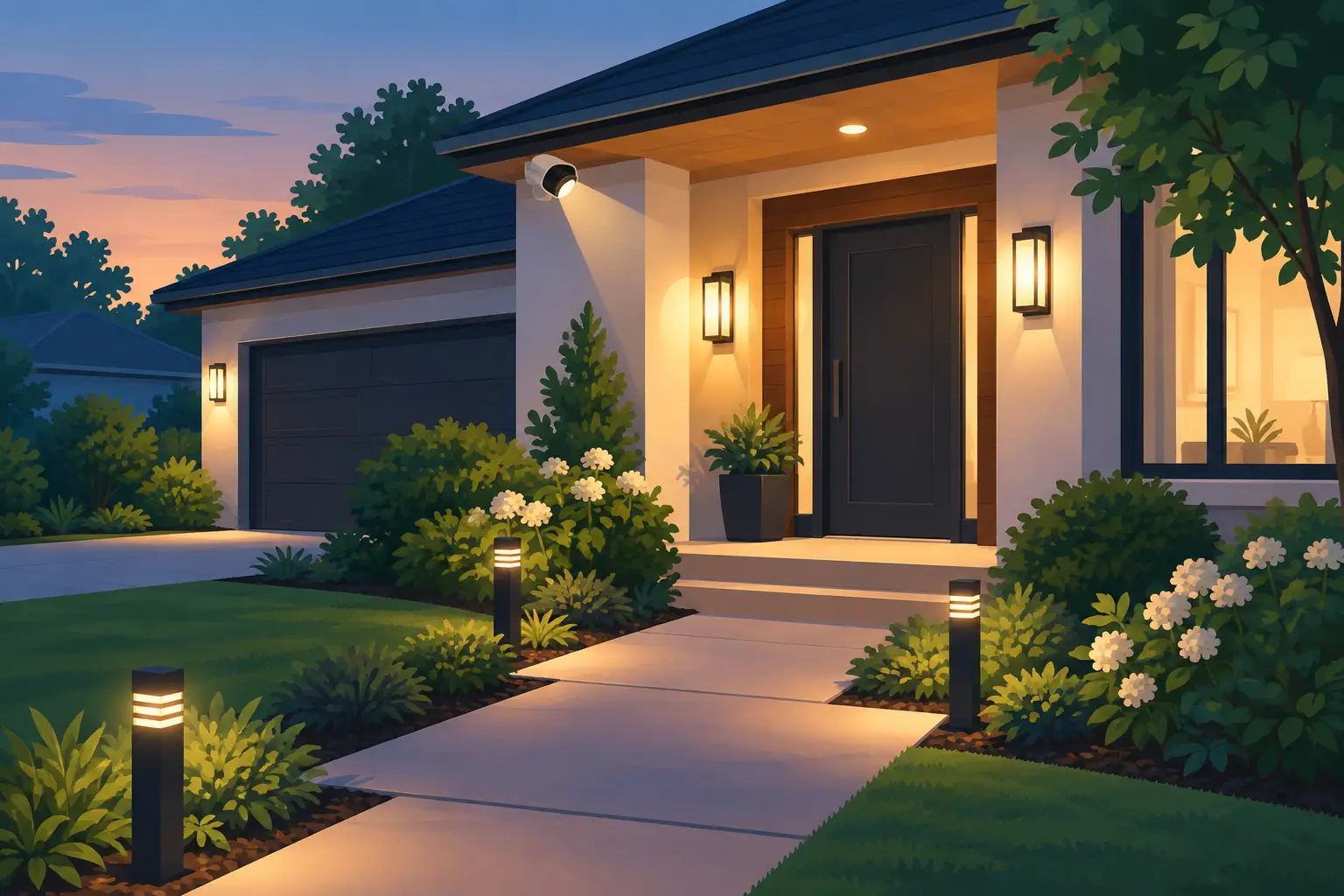
A beautiful South Florida property can feel surprisingly unfinished after sunset when the walk from the driveway to the front door disappears into shadow. Wet pavers, a single missed step near the patio, and dark transitions around pool areas can turn a familiar route into a hazard. Outdoor pathway lighting safety is about more than adding a few fixtures. It requires a well-considered lighting plan that helps people see where they are going while preserving the relaxed, polished character of the property.

For homeowners who enjoy their patios, gardens, and pool areas year-round, thoughtful pathway lighting makes outdoor spaces more comfortable to use long after daylight fades. The best systems create clear visual guidance without harsh glare, visible wires, or a runway effect.

Where Pathway Hazards Often Hide

Most outdoor walking hazards are not in the middle of a straight, open path. They occur where the route changes. A shallow step down from a patio, a curve around dense landscaping, a gate near the side yard, or the edge of a pool deck can be difficult to judge in low light. Rain adds another concern. Palm Beach County’s heavy summer showers can leave stone, concrete, and pavers slick, making reliable visibility especially valuable.

Entrances deserve close attention as well. Visitors need to see the route from the driveway, curb, or guest parking area to the front door. Family members should be able to move from the house to a dock, detached garage, outdoor kitchen, or pool area without relying on a phone flashlight.

Lighting should support the way a property is actually used. A home that hosts evening gatherings has different needs than a quiet garden path used primarily by family and service professionals. This is why a personalized site assessment matters more than choosing fixtures from a shelf.

Outdoor Pathway Lighting Safety Starts With a Plan

A safer pathway does not necessarily need more light. It needs light in the right places. Professional design begins by walking the route after dark or evaluating how it will look at night, then identifying changes in elevation, turns, obstructions, and destinations.

Light the route, not every inch of the ground

Path lights are most effective when they establish a gentle, consistent rhythm along the path. The goal is to reveal the walking surface and its edges, not to place a bright pool of light every few feet. Fixtures placed too close together can create a cluttered appearance and distracting bright-dark-bright contrast. Fixtures placed too far apart can leave gaps where the path disappears.

Spacing depends on fixture output, mounting height, beam spread, nearby planting beds, and the color and texture of the hardscape. Dark stone usually needs a different approach than pale concrete. Curving paths often benefit from fixtures positioned to show the direction of travel before someone reaches the bend.

Make steps and level changes unmistakable

Steps, ramps, retaining-wall edges, and transitions between grass and hardscape need their own treatment. Soft directional lighting can define each change in level without shining directly into a person’s eyes. In some locations, discreet downlighting from a nearby tree, structure, or architectural feature provides more natural-looking coverage than several fixtures installed along the edge.

Avoid aiming a fixture so its light source is visible from the approach to a step. Glare can reduce a person’s ability to see the surface beyond it. A properly shielded fixture sends light where it is useful and keeps the source visually comfortable.

Use landscape features as part of the design

Mature palms, hedges, specimen trees, walls, and planters can all help organize a safe nighttime route. Gentle lighting on a tree canopy or textured wall provides ambient light that makes the space feel more open and easier to navigate. It also adds depth, so pathways do not appear to end in a dark void.

This layered approach is especially valuable around patios and pools, where decorative lighting, pathway guidance, and safety lighting need to work together. A property should feel inviting at night, not overlit.

Why Low-Voltage LED Systems Fit Residential Pathways

For most residential pathway applications, a professionally installed low-voltage LED system offers an excellent balance of safety, flexibility, energy efficiency, and design control. Low-voltage wiring is designed for landscape-lighting use and can be routed carefully through planting beds and around hardscape features. LEDs provide long operating life while using significantly less energy than older lamp types.

The quality of the components and installation is just as significant as the fixture style. Correct transformer sizing, voltage management, weather-rated connections, secure fixture placement, and thoughtful wire routing all affect performance. A system may look fine on installation day but become unreliable if connections are not protected from moisture or if wiring is exposed to lawn equipment and garden work.

LED color temperature also deserves attention. Extremely cool, bright white light can feel clinical against warm-toned pavers, stucco, and tropical landscaping. A warmer light often creates a more welcoming look while still delivering clear visibility. The right choice depends on the home’s architecture, existing exterior lighting, and the desired nighttime atmosphere.

Design for South Florida Weather and Growth

South Florida’s landscape conditions are beautiful, but they are demanding on exterior systems. Intense sun, humidity, seasonal downpours, irrigation, salt air near the coast, and rapidly growing plant material all influence fixture placement and maintenance needs.

A path light that is perfectly positioned in a newly planted bed may be hidden by foliage several months later. Fixtures should be installed with expected plant growth in mind, and shrubs should be trimmed so they do not block light or cast confusing shadows across a walkway. Irrigation heads should not spray directly onto fixtures whenever possible, since repeated exposure can leave mineral buildup and place unnecessary stress on components.

Near coastal properties, durable materials and corrosion-resistant construction become more important. The right fixture finish and hardware can help the system continue to look refined while standing up to the local environment.

Installation Details That Protect People and Property

Pathway lighting should never create new obstacles. Fixtures need stable placement outside the natural walking line, with stakes and housings installed securely. Wiring should be concealed and protected rather than left where it can be snagged by foot traffic, pets, lawn equipment, or maintenance crews.

Before installation, it is wise to consider future work around the property. Will a landscape crew edge this bed? Is there planned irrigation work, a new gate, or a hardscape renovation ahead? A knowledgeable installer can route and document the system with those realities in mind.

For properties with children, older adults, frequent guests, or rental activity, consistency becomes even more valuable. Lighting should operate predictably each evening through a properly set timer, photocell, or smart control. A system that is only on occasionally cannot provide dependable guidance when someone needs it most.

Maintain Outdoor Pathway Lighting Safety Over Time

Even a premium lighting system benefits from routine attention. A quick nighttime walk through the property every few months can reveal changes before they become frustrating or unsafe. Look for tilted fixtures, blocked lenses, overgrown plants, exposed wire, damaged housings, and new shadows caused by landscape growth.

A practical check should include these five areas:

  • Confirm that steps, turns, gates, and changes in elevation remain clearly visible.
  • Trim foliage that blocks fixtures or creates heavy shadows across the path.
  • Clean lenses gently when dirt, mulch, or mineral deposits reduce light output.
  • Check that fixtures remain stable and outside the walking surface.
  • Have damaged wiring, connectors, or fixtures inspected and repaired promptly.

If sections of a path appear dim, resist the urge to simply add brighter bulbs or more fixtures. The answer may be a small adjustment in aiming, spacing, shielding, or plant maintenance. Lighting design works as a complete composition, and one poorly positioned fixture can affect the comfort of the entire route.

At Tropical Landscape Lighting, pathway illumination is planned as part of a cohesive nighttime environment, balancing safe movement with the architectural and landscape details that make a home distinctive. The result should feel effortless: guests know where to walk, family members feel confident moving outdoors, and the property keeps its welcoming character after dark.

A safer path does not need to announce itself with harsh light. When it is designed with care, it simply makes every evening arrival, poolside walk, and trip through the garden feel naturally more comfortable.

Posted in Uncategorized

12 Pool Area Lighting Ideas for South Florida

12 Pool Area Lighting Ideas for South Florida

A pool can look spectacular in daylight and disappear entirely once the sun sets. The right pool area lighting ideas change that experience, giving your water, patio, landscaping, and architecture a warm, intentional presence after dark. In Palm Beach County, where outdoor living continues long after dinner, lighting should do more than make a pool visible. It should make the entire space feel inviting, safe, and designed for the way you live.

The most successful pool lighting plans use layers. Rather than relying on one bright fixture or a ring of harsh lights around the deck, each element has a job: guide guests, define transitions, highlight focal points, and create a comfortable atmosphere. Here are 12 ways to build that balance.

Pool Area Lighting Ideas That Work Together

1. Start with subtle pool interior lighting

Underwater LED pool lights create the visual center of the space. A soft white light often gives water a classic, resort-like appearance, while color-changing systems can add personality for celebrations or seasonal gatherings.

The trade-off is restraint. Too much color or overly bright underwater lighting can make the pool feel more like a theme park than a refined backyard. For most homes, warm white architectural lighting around the pool pairs best with controlled color inside the water.

2. Light the pool perimeter without creating glare

The pool edge needs to be recognizable, especially where the deck and water meet. Low-level lighting placed thoughtfully along nearby planting beds, walls, or hardscape can define the shape of the pool without putting fixtures directly in the line of sight.

Avoid aiming fixtures across the water toward seating areas. Light reflecting off moving water can be beautiful, but exposed bulbs and poorly aimed beams create glare that makes it harder for guests to see comfortably.

3. Guide movement with path and step lighting

A path from the house to the pool should feel effortless to walk at night. Small, shielded path lights help guests see changes in grade and stay oriented without flooding the deck with light. Step lights are particularly useful on raised patios, sunken lounges, and transitions between a lanai and pool deck.

These fixtures are practical, but they also make the property feel cared for. A softly lit walkway signals where to go while preserving the relaxed mood of an evening outdoors.

4. Use uplighting to frame palms and tropical planting

South Florida landscaping offers one of the best opportunities in a pool lighting plan. Palms, bird of paradise, specimen trees, hedges, and layered garden beds can create depth around the water when lit from below.

Choose focal points rather than lighting every plant. A few carefully placed low-voltage LED uplights can give a backyard dimension and texture. Lighting every tree evenly often flattens the scene and uses more energy without improving the result.

5. Highlight a water feature separately

Sheer descents, spillways, fountains, scuppers, and raised spas deserve their own lighting treatment. A focused beam on falling water catches movement and gives the pool area a more polished nighttime look. If the feature includes stone or tile, grazing light can reveal its texture as well.

The key is to keep the source concealed whenever possible. Guests should notice the illuminated water or material, not the fixture doing the work.

6. Add warmth to outdoor dining and lounge areas

A pool deck is rarely just a pool deck. It may include a dining table, chaise lounges, a covered patio, or a conversation area near a fire feature. These spaces need warmer, more comfortable light than a pathway or driveway.

Downlighting from a pergola, covered structure, or nearby tree can provide a gentle wash of light over seating. This is often more flattering and relaxing than mounting a bright fixture overhead. For dining areas, enough light to see a meal and one another is useful, but it should never feel like a kitchen ceiling light has been moved outdoors.

7. Create a moonlight effect from trees or rooflines

One of the most natural-looking pool area lighting ideas is downlighting from above. When a fixture is mounted high in a mature tree or along an architectural structure, its light filters through leaves and creates soft shadows on the deck below.

This effect works especially well near lounge areas, garden paths, and the perimeter of a pool. It requires careful fixture placement and professional mounting to avoid visible glare, unstable installation, or excessive light on neighboring properties.

8. Reveal walls, columns, and architectural details

A pool area can feel disconnected from the home if the house becomes a dark backdrop at night. Softly illuminating columns, textured walls, arches, or a distinctive roofline ties the outdoor living space back to the architecture.

Wall washing gives broad, even illumination, while grazing light emphasizes texture. Which approach is right depends on the surface. Smooth stucco generally looks better with an even wash, while coral stone, stacked stone, and textured finishes can benefit from more dramatic grazing.

9. Use lighting around a fire feature carefully

A fire bowl, fireplace, or fire pit already produces its own focal light. Adding too much artificial lighting nearby competes with the flame and removes the intimate feeling people expect from that area.

Keep surrounding fixtures low and indirect. Light the pathways leading to the fire feature, nearby steps, and the edge of seating zones, then let the fire remain the visual centerpiece.

10. Make the outdoor kitchen functional after dark

Grills, prep counters, bars, and serving areas need task lighting. This is one location where decorative ambience alone is not enough. A cook needs clear visibility over the grill surface and countertop, especially during an evening gathering.

Under-counter LED lighting, shielded downlights, or carefully placed fixtures on a roof structure can provide useful illumination without shining into guests’ eyes. Separate controls for the cooking zone make it easier to keep the rest of the backyard softly lit once dinner is served.

11. Choose warm, consistent color temperatures

For most residential pool environments, warm white light creates the most welcoming result. Fixtures with mismatched color temperatures can make a finished backyard feel pieced together, even if each fixture is high quality on its own.

A lighting designer can select LED lamps and fixtures that provide consistent color across paths, plants, architecture, and gathering spaces. Cool white light may have a role for certain contemporary designs or security needs, but it can feel stark around a relaxed pool setting.

12. Plan zones and controls from the beginning

A beautiful lighting system should be easy to use. Dividing the property into zones lets you turn on only what the evening requires. You may want pathways, pool perimeter, and entry lighting on every night, while landscape accents, entertaining areas, and color effects can be reserved for guests or special occasions.

Timers, smart controls, and low-voltage LED systems support convenience and energy efficiency. They also allow the design to evolve as your routines change. A quiet weeknight swim should not require the same lighting level as a large family gathering.

Safety and Style Should Share the Same Plan

Pool lighting has obvious safety responsibilities. Steps, deck edges, changes in elevation, gates, and walkways all need to be visible. Yet a safe backyard does not have to be a brightly lit backyard. The best plans use targeted, shielded illumination at points of movement while allowing darker areas to remain calm and atmospheric.

This is especially important in South Florida, where outdoor lighting must perform through humidity, heavy rain, irrigation, and long periods of use. Quality low-voltage fixtures, professional wiring practices, solid connections, and proper drainage considerations all affect how a system holds up over time. Choosing fixtures solely by appearance can lead to corrosion, inconsistent performance, or frequent maintenance later.

Designing for Your Home, Not a Catalog Photo

A compact courtyard pool needs a different approach than a large waterfront backyard. Homes with tall palms may benefit from moonlighting and uplighting, while properties with covered patios may need more attention around dining and cooking zones. Privacy, neighboring homes, the pool’s finish, existing landscape, and how often you entertain all influence the final design.

That is why a walk-through matters before fixtures are selected. Tropical Landscape Lighting designs low-voltage LED systems around each property’s architecture, landscaping, and nighttime priorities, so the finished result feels like part of the home rather than an add-on.

A well-lit pool area should make you want to step outside after sunset. Start with the places people walk, gather, swim, and pause, then let the light quietly bring those moments into view.

Posted in Uncategorized

Custom Landscape Lighting Design for Your Home

Custom Landscape Lighting Design for Your Home

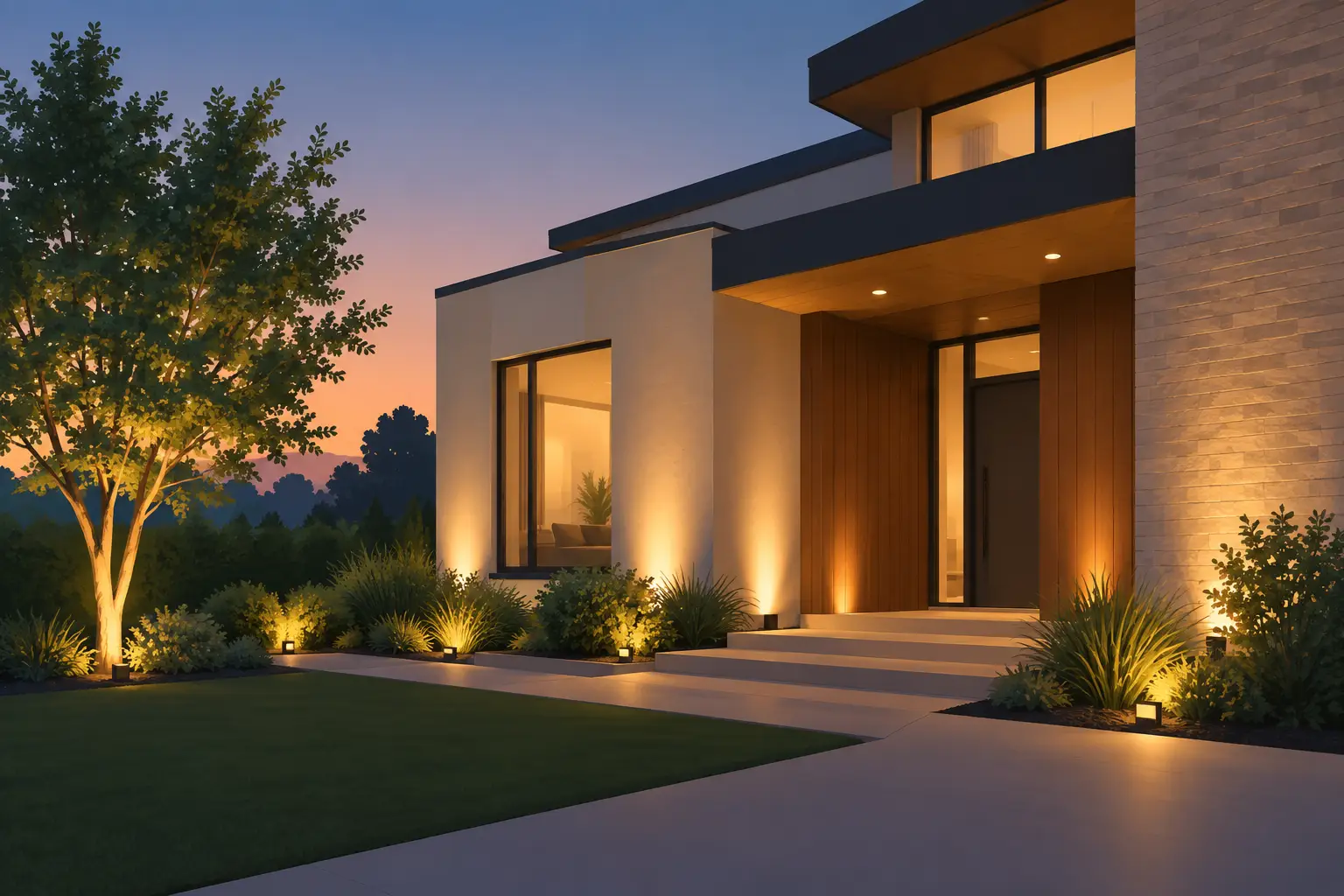
A beautiful South Florida property can disappear once the sun goes down. The pool becomes a dark outline, the garden loses its color and texture, and a welcoming patio may feel disconnected from the rest of the home. A custom landscape lighting design changes that experience by giving every outdoor area a purposeful place in the evening view.

The goal is not to make a property look overly bright or fill it with fixtures. It is to create a comfortable nighttime environment that feels natural to the home, supports how you live outdoors, and makes walking, entertaining, and arriving home after dark easier. With the right low-voltage LED system, your landscape can feel just as considered at night as it does during the day.

What Makes a Custom Landscape Lighting Design Different?

A custom plan begins with the property itself. The architecture, driveway approach, mature palms, garden beds, pool deck, outdoor kitchen, and preferred gathering areas all influence where light belongs and where darkness should remain.

A fixture-by-fixture approach often creates uneven results. A few path lights may improve visibility, but they can leave a front elevation flat, create glare near a seating area, or make a pool enclosure feel separate from the rest of the yard. Professional design considers the full property so the lighting works together from the street, the front door, the patio, and the interior views looking outward.

It also accounts for how the home is used. A family that entertains near the pool may need gentle ambient light around seating, steps, and planting beds. A homeowner focused on curb appeal may prioritize architectural details, specimen trees, and a more welcoming entry. For a commercial property, dependable illumination at entrances and pedestrian routes may take a larger role. The best plan is personal, not prepackaged.

Start With the Nighttime Experience You Want

Before selecting fixtures, consider what you want to notice after sunset. This may be the texture of a stone façade, the canopy of a mature oak, a line of palms along the drive, or the water feature beside a patio. It can also be practical: a clearer route from the driveway to the entry, better visibility around steps, or a more comfortable way to use the backyard on a weeknight.

Thoughtful lighting creates layers. Architectural lighting gives the home definition and presence. Landscape lighting adds depth through trees, planting, and garden features. Path and step lighting guide movement without producing harsh pools of brightness. Accent lighting can draw attention to a focal point, while soft ambient light helps an outdoor living area feel settled and inviting.

The right balance depends on the property. A contemporary home with clean lines may look best with restrained illumination and precise beam control. A lush tropical garden may call for subtle uplighting that reveals palm trunks, fronds, and layered foliage. More light is not necessarily better. Too much brightness can wash out texture, cause glare, and make a refined landscape feel commercial rather than residential.

Design for Views From Inside the Home

Outdoor lighting should not be planned only from the sidewalk or driveway. In South Florida, glass doors, covered patios, and large windows often frame the landscape from inside the home. A carefully lit garden or pool area extends the visual sense of the living space long after sunset.

This is where placement matters. A light aimed carelessly at a window can create reflections and reduce the view. Fixtures positioned with intention can highlight the scenery beyond the glass while keeping the source of light discreet. During an on-site consultation, it helps to identify the rooms and views that matter most to you.

The Practical Benefits Go Beyond Appearance

Beauty may start the conversation, but a professionally designed system also supports safer, more useful outdoor areas. Walkways, changes in elevation, pool decks, and entries are easier to navigate when light is placed where people actually walk. The effect should be clear enough to improve visibility without feeling like a floodlit yard.

Lighting can also increase the sense of security around a property. An illuminated approach, side yard, entry, or rear patio reduces the dark corners that make a home feel less comfortable at night. The objective is a warm, lived-in appearance, not a harsh security-light effect that overwhelms neighbors or outdoor living spaces.

For homeowners who enjoy their patios and pools year-round, lighting extends usable time outside. Dinner does not have to end when daylight fades. Children and guests can move around more confidently, and the garden continues to contribute to the atmosphere of the evening.

Why Low-Voltage LED Is a Smart Fit for South Florida

Low-voltage LED landscape lighting is well suited to residential and commercial properties because it combines flexibility, energy efficiency, and long service life. The wiring can be routed thoughtfully around planting areas and hardscapes, allowing a system to be tailored to the property instead of forcing the design around electrical limitations.

LED technology uses significantly less energy than older lighting options and generally requires fewer lamp replacements. That matters on a property with multiple trees, pathways, architectural details, and gathering areas. You receive a more polished nighttime result without the high operating demands associated with traditional exterior lighting.

Quality components and correct installation remain essential. South Florida heat, rain, humidity, irrigation, and changing landscape growth all place demands on an outdoor system. Fixtures need to be selected and installed with durability, drainage, wiring connections, and future accessibility in mind. A design may look excellent on installation day, but craftsmanship determines whether it continues to perform well over time.

Plan for Growth and Change

Landscapes are not static. Palms gain height, hedges fill in, gardens are refreshed, and outdoor living areas may be expanded. A good lighting plan leaves room for those changes. Fixtures may need to be adjusted as plants mature, while a properly designed system can often accommodate additions when a new patio, fire feature, or garden area is completed.

This is one reason to avoid treating landscape lighting as an afterthought. Installing fixtures before considering transformer capacity, wire runs, beam spreads, and future zones can limit what is possible later. An experienced lighting team can build flexibility into the system from the beginning.

Choosing the Right Areas to Illuminate

Every property has priorities, so not every feature needs a fixture. Begin with the areas that make the greatest difference in daily use and curb appeal: the front entry, driveway, primary walkway, patio, pool area, and the landscape features that give the home its character.

Architectural uplighting can reveal columns, rooflines, textured walls, and entry details. Tree lighting adds scale and depth, particularly when a mature canopy frames the home or backyard. Path lights should guide rather than glare, with spacing and output selected to create a natural rhythm. Near water, lighting must be especially deliberate, supporting visibility around the deck while preserving a calm setting for evening relaxation.

Color temperature also affects the result. Many homes benefit from warm white light that complements natural stone, greenery, and warm exterior finishes. Cooler light can suit certain contemporary materials, but it can also make planting appear less inviting if used without care. The appropriate choice depends on the architecture, materials, and the atmosphere you want to create.

Professional Installation Protects the Design

A strong design can be weakened by shortcuts in installation. Visible wiring, poorly aimed fixtures, inconsistent spacing, and inadequate connections distract from the property and can lead to avoidable service needs. Professional installation includes careful wire routing, secure connections, appropriate transformer sizing, fixture aiming, and evening adjustments after the system is operating.

That final adjustment is particularly valuable. Lighting cannot be fully evaluated in daylight. Once the sun sets, beam angles, shadows, brightness, and sightlines become clear. Small refinements can make the difference between light that merely exists outdoors and a cohesive setting that feels intentional.

With more than 30 years of relevant landscape and lighting experience, Tropical Landscape Lighting approaches each project as an outdoor environment rather than a collection of individual fixtures. The process is centered on your home, your style, and the areas you want to enjoy after dark.

A Better Evening Begins at Your Front Walk

The most successful lighting systems do not demand attention from every corner of the yard. They make arriving home feel easier, stepping onto the patio feel more inviting, and looking out at the landscape feel like part of the home experience. When your property is designed for the night as carefully as it is designed for the day, every evening has more room to be enjoyed.

Posted in Uncategorized

Custom Landscape Lighting Design for Your Home

Custom Landscape Lighting Design for Your Home

A beautiful South Florida property can disappear once the sun goes down. The pool becomes a dark outline, the garden loses its color and texture, and a welcoming patio may feel disconnected from the rest of the home. A custom landscape lighting design changes that experience by giving every outdoor area a purposeful place in the evening view.

The goal is not to make a property look overly bright or fill it with fixtures. It is to create a comfortable nighttime environment that feels natural to the home, supports how you live outdoors, and makes walking, entertaining, and arriving home after dark easier. With the right low-voltage LED system, your landscape can feel just as considered at night as it does during the day.

What Makes a Custom Landscape Lighting Design Different?

A custom plan begins with the property itself. The architecture, driveway approach, mature palms, garden beds, pool deck, outdoor kitchen, and preferred gathering areas all influence where light belongs and where darkness should remain.

A fixture-by-fixture approach often creates uneven results. A few path lights may improve visibility, but they can leave a front elevation flat, create glare near a seating area, or make a pool enclosure feel separate from the rest of the yard. Professional design considers the full property so the lighting works together from the street, the front door, the patio, and the interior views looking outward.

It also accounts for how the home is used. A family that entertains near the pool may need gentle ambient light around seating, steps, and planting beds. A homeowner focused on curb appeal may prioritize architectural details, specimen trees, and a more welcoming entry. For a commercial property, dependable illumination at entrances and pedestrian routes may take a larger role. The best plan is personal, not prepackaged.

Start With the Nighttime Experience You Want

Before selecting fixtures, consider what you want to notice after sunset. This may be the texture of a stone façade, the canopy of a mature oak, a line of palms along the drive, or the water feature beside a patio. It can also be practical: a clearer route from the driveway to the entry, better visibility around steps, or a more comfortable way to use the backyard on a weeknight.

Thoughtful lighting creates layers. Architectural lighting gives the home definition and presence. Landscape lighting adds depth through trees, planting, and garden features. Path and step lighting guide movement without producing harsh pools of brightness. Accent lighting can draw attention to a focal point, while soft ambient light helps an outdoor living area feel settled and inviting.

The right balance depends on the property. A contemporary home with clean lines may look best with restrained illumination and precise beam control. A lush tropical garden may call for subtle uplighting that reveals palm trunks, fronds, and layered foliage. More light is not necessarily better. Too much brightness can wash out texture, cause glare, and make a refined landscape feel commercial rather than residential.

Design for Views From Inside the Home

Outdoor lighting should not be planned only from the sidewalk or driveway. In South Florida, glass doors, covered patios, and large windows often frame the landscape from inside the home. A carefully lit garden or pool area extends the visual sense of the living space long after sunset.

This is where placement matters. A light aimed carelessly at a window can create reflections and reduce the view. Fixtures positioned with intention can highlight the scenery beyond the glass while keeping the source of light discreet. During an on-site consultation, it helps to identify the rooms and views that matter most to you.

The Practical Benefits Go Beyond Appearance

Beauty may start the conversation, but a professionally designed system also supports safer, more useful outdoor areas. Walkways, changes in elevation, pool decks, and entries are easier to navigate when light is placed where people actually walk. The effect should be clear enough to improve visibility without feeling like a floodlit yard.

Lighting can also increase the sense of security around a property. An illuminated approach, side yard, entry, or rear patio reduces the dark corners that make a home feel less comfortable at night. The objective is a warm, lived-in appearance, not a harsh security-light effect that overwhelms neighbors or outdoor living spaces.

For homeowners who enjoy their patios and pools year-round, lighting extends usable time outside. Dinner does not have to end when daylight fades. Children and guests can move around more confidently, and the garden continues to contribute to the atmosphere of the evening.

Why Low-Voltage LED Is a Smart Fit for South Florida

Low-voltage LED landscape lighting is well suited to residential and commercial properties because it combines flexibility, energy efficiency, and long service life. The wiring can be routed thoughtfully around planting areas and hardscapes, allowing a system to be tailored to the property instead of forcing the design around electrical limitations.

LED technology uses significantly less energy than older lighting options and generally requires fewer lamp replacements. That matters on a property with multiple trees, pathways, architectural details, and gathering areas. You receive a more polished nighttime result without the high operating demands associated with traditional exterior lighting.

Quality components and correct installation remain essential. South Florida heat, rain, humidity, irrigation, and changing landscape growth all place demands on an outdoor system. Fixtures need to be selected and installed with durability, drainage, wiring connections, and future accessibility in mind. A design may look excellent on installation day, but craftsmanship determines whether it continues to perform well over time.

Plan for Growth and Change

Landscapes are not static. Palms gain height, hedges fill in, gardens are refreshed, and outdoor living areas may be expanded. A good lighting plan leaves room for those changes. Fixtures may need to be adjusted as plants mature, while a properly designed system can often accommodate additions when a new patio, fire feature, or garden area is completed.

This is one reason to avoid treating landscape lighting as an afterthought. Installing fixtures before considering transformer capacity, wire runs, beam spreads, and future zones can limit what is possible later. An experienced lighting team can build flexibility into the system from the beginning.

Choosing the Right Areas to Illuminate

Every property has priorities, so not every feature needs a fixture. Begin with the areas that make the greatest difference in daily use and curb appeal: the front entry, driveway, primary walkway, patio, pool area, and the landscape features that give the home its character.

Architectural uplighting can reveal columns, rooflines, textured walls, and entry details. Tree lighting adds scale and depth, particularly when a mature canopy frames the home or backyard. Path lights should guide rather than glare, with spacing and output selected to create a natural rhythm. Near water, lighting must be especially deliberate, supporting visibility around the deck while preserving a calm setting for evening relaxation.

Color temperature also affects the result. Many homes benefit from warm white light that complements natural stone, greenery, and warm exterior finishes. Cooler light can suit certain contemporary materials, but it can also make planting appear less inviting if used without care. The appropriate choice depends on the architecture, materials, and the atmosphere you want to create.

Professional Installation Protects the Design

A strong design can be weakened by shortcuts in installation. Visible wiring, poorly aimed fixtures, inconsistent spacing, and inadequate connections distract from the property and can lead to avoidable service needs. Professional installation includes careful wire routing, secure connections, appropriate transformer sizing, fixture aiming, and evening adjustments after the system is operating.

That final adjustment is particularly valuable. Lighting cannot be fully evaluated in daylight. Once the sun sets, beam angles, shadows, brightness, and sightlines become clear. Small refinements can make the difference between light that merely exists outdoors and a cohesive setting that feels intentional.

With more than 30 years of relevant landscape and lighting experience, Tropical Landscape Lighting approaches each project as an outdoor environment rather than a collection of individual fixtures. The process is centered on your home, your style, and the areas you want to enjoy after dark.

A Better Evening Begins at Your Front Walk

The most successful lighting systems do not demand attention from every corner of the yard. They make arriving home feel easier, stepping onto the patio feel more inviting, and looking out at the landscape feel like part of the home experience. When your property is designed for the night as carefully as it is designed for the day, every evening has more room to be enjoyed.

Posted in Uncategorized

Landscape Lighting Installation Palm Beach County

Landscape Lighting Installation Palm Beach County

A Palm Beach County home can look completely different after sunset. Mature palms lose their shape, pool decks become harder to navigate, and architectural details that add character during the day disappear into shadow. Thoughtful landscape lighting installation Palm Beach County homeowners can rely on brings those spaces back into view with a warm, intentional design that feels like part of the property.

The goal is not to put a fixture beside every plant or flood the yard with brightness. A well-designed low-voltage LED system gives each area a purpose: welcoming guests at the entry, guiding people safely around a walkway, adding depth to a garden, and making the patio or pool area feel ready for an evening outside. In South Florida, where outdoor living is possible nearly year-round, that difference matters.

Start With How You Use the Property at Night

The right lighting plan begins with a conversation about the property, not a catalog of fixtures. A front entry may need a refined, inviting approach that highlights columns, a specimen palm, or a distinctive roofline. A backyard designed for entertaining may call for soft pool perimeter lighting, gentle illumination along seating areas, and clear visibility at steps and gates.

It also helps to identify what is not working now. Perhaps guests miss the path from the driveway to the front door. Maybe a beautiful tree canopy becomes an indistinct dark mass at night. Or a patio has enough light to see, but the glare makes it less relaxing. These details shape the design far more effectively than choosing lights based on appearance alone.

For commercial properties, the questions are similar but the priorities can shift. Entrances, parking areas, pedestrian routes, signage, and building access points need dependable illumination that supports safety and a polished first impression.

What a Cohesive Lighting Design Looks Like

A strong lighting design creates layers. It gives the eye a clear path through the property while preserving areas of darkness that make the illuminated features stand out. The house, landscape, and outdoor living spaces should feel connected rather than lit as separate projects.

Architectural Lighting Creates Presence

Uplighting can bring out stonework, stucco texture, columns, roof peaks, and other defining details. The fixture placement and beam angle matter. Light set too close to a wall can create harsh hotspots, while poorly aimed fixtures can shine into windows or toward the street.

The best approach depends on the architecture. A clean, contemporary home may benefit from restrained lines of light and carefully selected focal points. A Mediterranean or tropical-style property may support more texture, with palms, layered planting beds, and facade details creating visual depth.

Garden and Tree Lighting Add Depth

Palm trees, oaks, flowering trees, hedges, and sculptural plantings can make a yard feel much larger and more dimensional after dark. Rather than treating every plant the same way, a designer considers scale, texture, color, and what can be seen from inside the home.

For example, a broad canopy tree may deserve a wider beam from below, while a dramatic palm trunk may look best with a narrow, controlled uplight. Lighting can also be placed to reveal the shape of a planting bed without exposing every fixture. This is where experienced installation makes a visible difference.

Path and Step Lighting Should Feel Natural

Walkways, stairs, changes in elevation, dock approaches, and pool deck edges need clear visibility. But safety lighting does not have to look commercial or overpower the landscape. Properly spaced path lights create a comfortable rhythm that guides movement without producing a runway effect.

On steps, the aim is to define each tread and edge. Near a pool, fixtures should improve orientation while limiting glare that can reflect off water. These are practical decisions, but they also influence how relaxed and usable the outdoor space feels.

Why Low-Voltage LED Lighting Fits South Florida Homes

Low-voltage LED landscape lighting is a practical choice for residential properties because it combines design flexibility with efficient operation. A transformer reduces household voltage to a lower level appropriate for outdoor lighting, and the wiring can be routed through landscape areas with far less disruption than many traditional systems.

LED fixtures use significantly less energy than older lighting technologies and offer long operating life. That can mean less frequent lamp replacement and a lower ongoing energy cost, especially for systems that run several hours each evening. The exact savings depend on the number of fixtures, wattage, controls, and run time, but efficiency should be part of every plan.

Quality matters as much as LED technology itself. South Florida systems face heat, rain, humidity, irrigation, salt air in coastal areas, and active landscaping. Durable fixtures, watertight connections, properly sized wire, and appropriate transformer capacity help the system perform consistently through changing conditions.

The Installation Details Homeowners Should Not Have to Guess About

A lighting system can look attractive on the first night and still be built poorly underneath the surface. Professional landscape lighting installation addresses the technical work that protects long-term performance.

The wiring plan must account for voltage drop so fixtures at the far end of the property receive the power they need. Connections should be secure and weather-resistant. Fixtures should be positioned and anchored with future plant growth in mind, not simply placed where there is open space on installation day.

Drainage and irrigation also deserve attention. A fixture installed where sprinklers constantly hit the lens may require more frequent cleaning. Wiring placed without regard for garden maintenance can be vulnerable when beds are refreshed or plants are replaced. A hands-on installer plans for the property as it will be lived in and cared for over time.

At Tropical Landscape Lighting, every system is designed around the home’s architecture, landscaping, and the way the owner wants to enjoy the space. That personalized process helps avoid the scattered look that happens when fixtures are added one at a time without an overall nighttime plan.

Common Mistakes That Limit the Result

The most common issue is too much light. Brightness is not the same as visibility, beauty, or security. Overlighting can wash out plant textures, flatten a home’s facade, create glare, and make neighboring properties feel exposed.

Another mistake is relying on one type of fixture throughout the yard. Path lights alone cannot provide the depth created by uplights, downlights, and carefully placed accent lighting. Conversely, a property with only uplighting may look impressive from the street but still leave walkways and entertaining areas uncomfortable to use.

Color temperature deserves consideration as well. Many homeowners prefer a warm white light because it complements natural stone, tropical plantings, and traditional exterior finishes. Cooler light can work in certain modern settings, but it may feel stark when applied across an entire garden. The best choice depends on the home’s materials and the atmosphere you want to create.

Finally, do not overlook controls. Timers, photocells, and smart controls can make operation easy while preventing lights from running longer than necessary. A system should fit the household routine, whether that means automatic evening operation, later hours for entertaining, or seasonal adjustments.

Planning a Landscape Lighting Installation in Palm Beach County

Before installation begins, walk the property after dark if possible. The nighttime view reveals where shadows fall, which areas are visible from key windows, and how people actually move between the driveway, entry, patio, pool, and garden. It is also the best time to identify features worth highlighting.

Share practical preferences early. Mention if you want a subtle front elevation, brighter pathways for older family members, enhanced visibility near gates, or an entertaining area that remains comfortable without glare. Photos of lighting styles you like can help, but a custom plan should respond to your property rather than copy another home.

A professional estimate should clarify the intended fixture locations, system components, installation approach, and any ongoing support available after the work is complete. Ask how the installer accounts for plant growth, irrigation, coastal conditions, and future additions to the system. Those answers can tell you whether the design is being built for one evening of impact or years of dependable use.

The most rewarding lighting projects do more than make a home visible at night. They create a reason to step outside, linger by the pool, welcome friends with confidence, and enjoy the landscape you have invested in long after the sun goes down.

Posted in Uncategorized

Landscape Lighting Installation Palm Beach County

Landscape Lighting Installation Palm Beach County

A Palm Beach County home can look completely different after sunset. Mature palms lose their shape, pool decks become harder to navigate, and architectural details that add character during the day disappear into shadow. Thoughtful landscape lighting installation Palm Beach County homeowners can rely on brings those spaces back into view with a warm, intentional design that feels like part of the property.

The goal is not to put a fixture beside every plant or flood the yard with brightness. A well-designed low-voltage LED system gives each area a purpose: welcoming guests at the entry, guiding people safely around a walkway, adding depth to a garden, and making the patio or pool area feel ready for an evening outside. In South Florida, where outdoor living is possible nearly year-round, that difference matters.

Start With How You Use the Property at Night

The right lighting plan begins with a conversation about the property, not a catalog of fixtures. A front entry may need a refined, inviting approach that highlights columns, a specimen palm, or a distinctive roofline. A backyard designed for entertaining may call for soft pool perimeter lighting, gentle illumination along seating areas, and clear visibility at steps and gates.

It also helps to identify what is not working now. Perhaps guests miss the path from the driveway to the front door. Maybe a beautiful tree canopy becomes an indistinct dark mass at night. Or a patio has enough light to see, but the glare makes it less relaxing. These details shape the design far more effectively than choosing lights based on appearance alone.

For commercial properties, the questions are similar but the priorities can shift. Entrances, parking areas, pedestrian routes, signage, and building access points need dependable illumination that supports safety and a polished first impression.

What a Cohesive Lighting Design Looks Like

A strong lighting design creates layers. It gives the eye a clear path through the property while preserving areas of darkness that make the illuminated features stand out. The house, landscape, and outdoor living spaces should feel connected rather than lit as separate projects.

Architectural Lighting Creates Presence

Uplighting can bring out stonework, stucco texture, columns, roof peaks, and other defining details. The fixture placement and beam angle matter. Light set too close to a wall can create harsh hotspots, while poorly aimed fixtures can shine into windows or toward the street.

The best approach depends on the architecture. A clean, contemporary home may benefit from restrained lines of light and carefully selected focal points. A Mediterranean or tropical-style property may support more texture, with palms, layered planting beds, and facade details creating visual depth.

Garden and Tree Lighting Add Depth

Palm trees, oaks, flowering trees, hedges, and sculptural plantings can make a yard feel much larger and more dimensional after dark. Rather than treating every plant the same way, a designer considers scale, texture, color, and what can be seen from inside the home.

For example, a broad canopy tree may deserve a wider beam from below, while a dramatic palm trunk may look best with a narrow, controlled uplight. Lighting can also be placed to reveal the shape of a planting bed without exposing every fixture. This is where experienced installation makes a visible difference.

Path and Step Lighting Should Feel Natural

Walkways, stairs, changes in elevation, dock approaches, and pool deck edges need clear visibility. But safety lighting does not have to look commercial or overpower the landscape. Properly spaced path lights create a comfortable rhythm that guides movement without producing a runway effect.

On steps, the aim is to define each tread and edge. Near a pool, fixtures should improve orientation while limiting glare that can reflect off water. These are practical decisions, but they also influence how relaxed and usable the outdoor space feels.

Why Low-Voltage LED Lighting Fits South Florida Homes

Low-voltage LED landscape lighting is a practical choice for residential properties because it combines design flexibility with efficient operation. A transformer reduces household voltage to a lower level appropriate for outdoor lighting, and the wiring can be routed through landscape areas with far less disruption than many traditional systems.

LED fixtures use significantly less energy than older lighting technologies and offer long operating life. That can mean less frequent lamp replacement and a lower ongoing energy cost, especially for systems that run several hours each evening. The exact savings depend on the number of fixtures, wattage, controls, and run time, but efficiency should be part of every plan.

Quality matters as much as LED technology itself. South Florida systems face heat, rain, humidity, irrigation, salt air in coastal areas, and active landscaping. Durable fixtures, watertight connections, properly sized wire, and appropriate transformer capacity help the system perform consistently through changing conditions.

The Installation Details Homeowners Should Not Have to Guess About

A lighting system can look attractive on the first night and still be built poorly underneath the surface. Professional landscape lighting installation addresses the technical work that protects long-term performance.

The wiring plan must account for voltage drop so fixtures at the far end of the property receive the power they need. Connections should be secure and weather-resistant. Fixtures should be positioned and anchored with future plant growth in mind, not simply placed where there is open space on installation day.

Drainage and irrigation also deserve attention. A fixture installed where sprinklers constantly hit the lens may require more frequent cleaning. Wiring placed without regard for garden maintenance can be vulnerable when beds are refreshed or plants are replaced. A hands-on installer plans for the property as it will be lived in and cared for over time.

At Tropical Landscape Lighting, every system is designed around the home’s architecture, landscaping, and the way the owner wants to enjoy the space. That personalized process helps avoid the scattered look that happens when fixtures are added one at a time without an overall nighttime plan.

Common Mistakes That Limit the Result

The most common issue is too much light. Brightness is not the same as visibility, beauty, or security. Overlighting can wash out plant textures, flatten a home’s facade, create glare, and make neighboring properties feel exposed.

Another mistake is relying on one type of fixture throughout the yard. Path lights alone cannot provide the depth created by uplights, downlights, and carefully placed accent lighting. Conversely, a property with only uplighting may look impressive from the street but still leave walkways and entertaining areas uncomfortable to use.

Color temperature deserves consideration as well. Many homeowners prefer a warm white light because it complements natural stone, tropical plantings, and traditional exterior finishes. Cooler light can work in certain modern settings, but it may feel stark when applied across an entire garden. The best choice depends on the home’s materials and the atmosphere you want to create.

Finally, do not overlook controls. Timers, photocells, and smart controls can make operation easy while preventing lights from running longer than necessary. A system should fit the household routine, whether that means automatic evening operation, later hours for entertaining, or seasonal adjustments.

Planning a Landscape Lighting Installation in Palm Beach County

Before installation begins, walk the property after dark if possible. The nighttime view reveals where shadows fall, which areas are visible from key windows, and how people actually move between the driveway, entry, patio, pool, and garden. It is also the best time to identify features worth highlighting.

Share practical preferences early. Mention if you want a subtle front elevation, brighter pathways for older family members, enhanced visibility near gates, or an entertaining area that remains comfortable without glare. Photos of lighting styles you like can help, but a custom plan should respond to your property rather than copy another home.

A professional estimate should clarify the intended fixture locations, system components, installation approach, and any ongoing support available after the work is complete. Ask how the installer accounts for plant growth, irrigation, coastal conditions, and future additions to the system. Those answers can tell you whether the design is being built for one evening of impact or years of dependable use.

The most rewarding lighting projects do more than make a home visible at night. They create a reason to step outside, linger by the pool, welcome friends with confidence, and enjoy the landscape you have invested in long after the sun goes down.

Posted in Uncategorized

Exterior Low Voltage LED Light Systems That Last

Exterior Low Voltage LED Light Systems That Last

A Palm Beach County home can look completely different after sunset. A graceful palm becomes a silhouette, a pool deck loses its definition, and a beautiful garden can disappear into darkness. Well-planned exterior low voltage LED light systems change that experience by giving architecture, landscaping, and outdoor living spaces a warm, intentional presence after dark.

The goal is not to make every corner bright. It is to create an inviting nighttime environment that feels natural to the home, makes walking safer, supports outdoor entertaining, and highlights the details that make the property special. For South Florida homeowners, where patios, pools, gardens, and outdoor kitchens are used through much of the year, lighting is part of how the home lives.

What Exterior Low Voltage LED Light Systems Include

A low-voltage landscape lighting system operates at a safer, lower electrical current than standard line-voltage lighting. A transformer connects to a properly protected outdoor electrical source and reduces household current to 12 volts. From there, discreet landscape wire delivers power to each fixture.

The basic components are straightforward, but the quality of their selection and installation makes a major difference. A complete system typically includes a correctly sized transformer, buried or concealed wiring, LED fixtures, connectors, controls, and a design that accounts for voltage needs across the property.

LED fixtures use significantly less energy than older halogen landscape lights and generally require far less frequent lamp replacement. They also produce less heat, which is especially helpful around planting beds, wood structures, and areas where families and guests gather. Low voltage does not mean low impact. With the right fixture placement and beam spread, the effect can be refined, dramatic, and beautifully balanced.

Why Design Matters More Than Fixture Count

It is easy to assume more lights equal a better result. In practice, too many fixtures can flatten a property, create glare, and make a garden or façade feel overlit. A thoughtful lighting plan uses contrast. Some features receive a gentle wash of light, while others remain in soft shadow to give the scene depth.

A lighting designer begins by looking at how the property is used after dark. The front entry may need a welcoming approach and clear visibility from the street. A pathway to the side gate needs reliable footing. A pool area may call for subtle illumination that preserves a relaxed atmosphere without reflecting harshly off the water.

Architecture also guides the plan. Uplighting can reveal the texture of stone, columns, rooflines, and mature trees. Downlighting from a tree canopy can create a soft moonlit effect over a lawn or walkway. Path lights can define movement through the landscape without lining every edge like a runway. The best results feel cohesive because every fixture has a purpose.

Lighting for curb appeal and arrival

The view from the street deserves careful attention, particularly for homeowners who want their property to look welcoming rather than merely visible. Entry lighting, architectural accents, and selectively illuminated planting areas can create an elegant first impression while helping visitors identify walkways, steps, and the front door.

The right color temperature matters here. Many residential landscape designs favor warm white light because it complements stucco, natural stone, wood, palms, and green foliage. Cooler light can be appropriate for certain contemporary designs, but it can also make a traditional home or tropical garden feel stark if used without restraint.

Lighting for patios, pools, and outdoor entertaining

Outdoor living areas need a different approach from front-yard lighting. Guests should be able to move comfortably between a patio, outdoor kitchen, seating area, and pool deck, but the lighting should not feel like stadium lighting. Soft illumination at transitions, stairs, deck edges, specimen plants, and nearby trees can make the space more usable while maintaining a comfortable mood.

Pool areas require special consideration. Fixtures should be positioned to avoid glare toward seating areas and avoid distracting reflections across the water. The lighting plan should also work alongside existing pool lighting, lanai lighting, and interior light that may spill through windows after sunset.

Safety and Security Without Harsh Floodlights

Low-voltage LED landscape lighting can improve safety by making changes in elevation, pathways, gates, and outdoor steps easier to see. This is particularly valuable after rain, when surfaces may be slick, or when family members and visitors are moving between the house and outdoor spaces at night.

Security is another practical benefit, but security lighting does not have to mean a harsh, overexposed yard. A professionally planned system can reduce dark pockets near entrances, side yards, and walkways while still respecting the character of the home. Layered lighting provides useful visibility and makes the property feel occupied without overwhelming neighbors or turning outdoor spaces into a wash of white light.

For commercial properties, the same principle applies. Entrances, pedestrian routes, signage, gathering areas, and building features all need lighting that supports visibility and professional appearance. The required fixture type, output, and controls will depend on the property’s use and local requirements.

The Technical Details That Protect Performance

A beautiful nighttime scene depends on sound installation work that is largely invisible in daylight. The transformer must be sized for the system’s actual wattage with room for proper operation. Wiring runs must be planned to prevent excessive voltage drop, which can cause fixtures at the far end of a run to appear dimmer or operate inconsistently.

Professional-grade fixtures also matter in South Florida. Exterior equipment faces intense sun, heavy rain, humidity, irrigation, salt air near the coast, and active landscaping. Durable materials such as brass, copper, and high-quality powder-coated metal can provide better long-term performance than lightweight fixtures that corrode, crack, or discolor quickly.

Connections are another area where shortcuts create future problems. Moisture-resistant connectors, appropriately buried wiring, protected transformer placement, and careful fixture adjustment all contribute to a system that continues to perform as the landscape grows and seasons change.

Controls can make ownership easier. Depending on the property, a system may use a timer, photocell, smart controller, or a combination of controls. The best choice depends on how predictable the household schedule is, whether the property is occupied year-round, and how much control the owner wants over lighting hours.

Planning Around a Growing South Florida Landscape

A lighting plan should account for what the landscape will look like next year, not only on installation day. Palms grow taller, hedges fill in, trees develop wider canopies, and planting beds change over time. A fixture that perfectly accents a young palm today may need adjustment as the trunk rises and fronds expand.

This is why fixture placement should be intentional and serviceable. Lights should be accessible for aiming, cleaning, and occasional repositioning. The wiring layout should also leave room for future additions, such as a new garden bed, outdoor kitchen, or redesigned pool area.

Homeowners should expect some ongoing attention, even with long-lasting LEDs. Periodic service may include trimming foliage away from fixtures, cleaning lenses, checking connections, resetting fixture angles, and replacing a component after storm damage or years of use. Regular care preserves the original design instead of allowing the system to become uneven over time.

Choosing the Right Partner for the Project

The strongest exterior lighting projects begin with a conversation about the home, not a catalog of fixtures. A qualified lighting professional should ask how you use your property at night, which areas feel too dark, what architectural and landscape features you value, and whether you prefer a subtle or more dramatic visual effect.

Ask how the system will be designed for voltage performance, how fixtures will hold up in South Florida conditions, and what support is available after installation. You should also expect a clear explanation of the proposed layout rather than a one-size-fits-all package.

With more than 30 years of related landscaping and lighting experience, Tropical Landscape Lighting approaches each project as a complete nighttime environment. The objective is to make the home feel more beautiful, comfortable, and usable after sunset while keeping the equipment discreet in daylight.

A good first step is to stand outside after dark and notice where your eye goes, where your feet hesitate, and which spaces you wish you used more often. Those observations are the beginning of a lighting plan that feels personal to your home.

Posted in Uncategorized

Gardening Lighting Ideas for Your Home

pathway-landscape-lighting-in-palm-beach-fl

By utilizing garden lighting, you may admire the beauty of your landscape even at night. Spotlights, stake lights, and string lights—all of which can be solar or battery-powered—are the most widely used types of garden lighting. Landscape lighting in Palm Beach, FL, can help improve your home by choosing the best lights for the right area.

Think about your objectives before choosing the best garden lighting alternatives. Do you need a stronger light to improve visibility along walkways and water features, or are you looking for an ambient glow? Larger, brighter bulbs are often better for illuminating trip hazards or deterring stray feet from entering your flower beds. Here’s a quick view of different garden lights to learn more about them.

garden-landscape-lighting-in-palm-beach-fl

Different Types of Garden Lights

Garden Bed Lighting

This floating garden bed in the middle of the yard attracts attention with its extravagant planting display. Use LED lights to further highlight the garden’s elements, particularly at night when it is more difficult to see the garden. Lights are strategically positioned throughout the garden bed to draw attention to the foliage of the higher trees and shrubs and the lower plants. Remember that for symmetry, you should evenly distribute the light throughout the entire bed rather than concentrating it on one end or the other.

Lawn Lights

Since a well-kept lawn makes the ideal foreground for a well-tended garden, why not emphasize your grass? Using lawn lights on the lawn as festive décor for parties or other special occasions is a novel choice for garden lighting. To maintain a distinctive and uncomplicated appearance, you alternate between installing single and pairs of lights on the lawn.

Spot Spotlights

Even though individual scattered spotlights only produce a modest amount of light, when combined, they provide a useful option for garden lighting. Small spotlights placed around the garden area, as shown in this garden, highlight small, medium, and large plants, providing good visibility without the need for a single, overwhelming light source. Divide the garden into zones before placing the spotlights, and try to utilize the same number of spotlights in each zone.

Sphere Lights

Lights in the shape of globes will illuminate your garden. This spherical substitute for conventional spike lighting adds visual flair and excels in xeriscape landscaping or gravel gardens. For spotlight illumination, place lights along the top tiers of your garden or behind and beneath plants.

Wall Lighting

Multi-tiered gardens are made possible by retaining walls, which also stop erosion. Use puck lighting to create enough light along the wall and up the steps. This retaining wall garden’s evenly positioned lights help lead nighttime visitors safely through the garden while showcasing the plants behind the blossoming hedges. When choosing LED lights for this yard lighting option, ensure they’re waterproof.

Lantern Lights

Place lanterns that dangle from a post along hedges or behind bushes to provide soothing lighting to your garden. Although there are many different styles and materials for lanterns, solar- or battery-powered candle lanterns provide a timeless radiance. Decide whether you want the lanterns to hover above your foliage (considering the mature height of the plants) or peek out from between plants, then install poles at regular intervals.

pathway-landscape-lighting-in-palm-beach-fl

Are You Interested in Landscape Lighting in Palm Beach, FL?

At Tropical Landscape Lighting, our team can provide high-quality lighting that will fit any part of your home. Give us a call to learn more!

Tagged with: , , , , , , , , ,
Posted in Blog, Lighting installation

Important Rules of Adequate Lighting  

beautiful outdoor lighting installation in palm beach fl

Your house’s front is like a blank canvas. People’s perceptions of your property are influenced by where you place your lighting. The best aspects of your home can be brought to light with the help of outdoor lighting installation in Palm Beach, FL. If you want tips on improving your outdoor lighting, you’ll learn critical ideas about the front-of-house lighting positions from this guide.

gorgeous outdoor lighting installation in palm beach fl

How to Improve Your Home’s Lighting

Three Guidelines for Lighting Efficiency

When developing a lighting plan for a home, lighting designers must adhere to several rules. Cohesion, depth, and focal points are three crucial design elements when creating outdoor lighting.

Cohesion

Cohesion is a term used to describe the overall impression you want to convey. You need to illuminate the background, intermediate areas, and borders to ensure that your lighting design is cohesive. Large, dark spots should be avoided because they draw your eyes away from your home.

Depth

Depth is the next crucial concept to understand. Your house’s front is a three-dimensional space. Your lighting components must be positioned to maximize your available space. To make the most of the area, use lights with different spreads that are high, medium, or low in wattage.

Focal Point

The focal points of your home should also be considered when choosing the front-of-house lighting positions. Select the features you want to highlight. Unique elements or valuable components of your house could serve as the focal points. For example, draw attention to a unique water feature. Seating areas or the front door are examples of functional home features.

Other Methods to Improve Lighting

Utilize Moonlight and Uplighting

There are two ways to draw attention to tall landscape features in front of your house, uplighting and moonlighting. Installing upward-facing well or directional lights beneath trees or other architectural features is uplighting.

Moonlighting simulates the moon spilling light onto a structure. You can produce dappled shadows on the lawn by mounting a light on a tree facing down. The moonlight minimizes dark spots and softly illuminates the majority of your property. The lighting fixtures should ideally hang from a tree with a canopy and be at least 25 feet high.

Utilize Grazing, Shadowing, and Silhouetting

You can also use lighting to draw attention to nearby objects and exterior walls. Uplighting can be used for this objective in various ways, such as silhouetting, shadowing, and grazing.

Silhouetting

Casting an even light from a wide angle on an exterior wall is known as silhouetting. Placing the light between a feature and the wall will create a bright background for an object. A plain, untextured wall will produce the best results for this technique.

Shadowing

By illuminating an object, shadowing is, forming patterns on walls. It’s an excellent way to cast light on low-lying shrubbery and other items. Shadowing is especially helpful for homes with vinyl siding or untextured exterior walls because it adds variety.

Grazing

Last but not least, grazing involves shining a sharply angled light up against a wall. The fixture is tilted away from the wall by about one foot in most grazing lights to lessen hot spots. Grazing is particularly effective on uneven surfaces like river stones because it creates eye-catching shadow patterns.

outdoor lighting installation in palm beach fl

Are You Interested in Outdoor Lighting Installation in Palm Beach, FL?

At Tropical Landscape Lighting, we can provide high-quality lighting solutions for your property. Give us a call today to learn more about the services we offer!

Tagged with: , , , , , , , , ,
Posted in Blog, Lighting installation